
Missing teeth can significantly impact both your smile and confidence. Dental implants offer a long-lasting solution for restoring these gaps, allowing you to enjoy a fully functional and aesthetically pleasing smile once again. This guide aims to provide you with everything you need to know about dental implant surgery and recovery, helping you make an informed decision.
Implants are a popular choice for replacing missing teeth, thanks to their ability to blend seamlessly with your natural teeth. They not only improve aesthetics but also restore functionality, making it easier to eat, speak, and smile without worry.
In this comprehensive guide, we will walk you through the entire dental implant journey, from the surgery to post-surgery care, ensuring you're fully prepared for each step along the way.
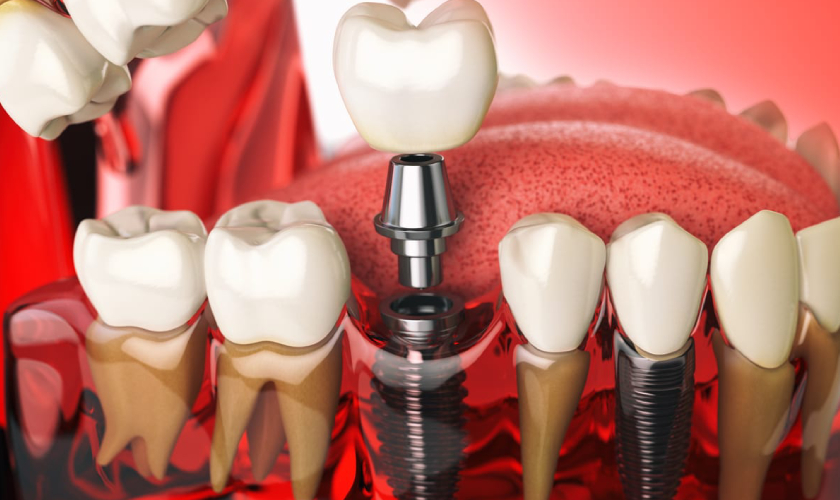
Dental implants are a modern solution to replace missing teeth, consisting of three key components: the implant post, the abutment, and the crown. The implant post is a titanium or titanium alloy screw that is surgically placed into the jawbone. This material is biocompatible, meaning it integrates well with bone tissue, making it the perfect choice for long-term stability.
The abutment is the connector placed on top of the implant post. It serves as a foundation for the artificial tooth (crown). The crown is the visible part of the dental implant that mimics the look and feel of a natural tooth. Crowns can be made from durable materials like porcelain, ensuring they blend seamlessly with the rest of your teeth.
Compared to alternatives like dentures or dental bridges, dental implants offer several advantages. They do not rely on neighboring teeth for support, preserving the integrity of your natural teeth. They also provide better comfort and a more natural appearance because they become a permanent part of your mouth.
Dental implants in Saline are an ideal solution for patients who want a long-lasting, stable option that allows them to enjoy their favorite foods without limitations. With the right care, implants can last for many years, providing a beautiful, functional smile that feels just like natural teeth.
Below are some of the common myths about dental implants.
Thanks to modern techniques and effective anesthesia, dental implant surgery is typically not painful. Most patients report only mild discomfort after the procedure, which can be managed with prescribed medications.
Dental implants in Saline are suitable for adults of all ages, provided they have healthy gums and sufficient bone density. Many younger adults who lose teeth due to injury or disease benefit from implants.
With proper care, dental implants can last a lifetime. They are highly durable and resistant to wear, making them one of the most reliable options for tooth replacement.
Dental implant surgery is a straightforward process performed by qualified professionals at Pittsfield Dental Studio. The procedure and recovery are manageable for most patients, and the benefits far outweigh the initial investment.
Before undergoing dental implant surgery, you will have an initial consultation with your dentist at Pittsfield Dental Studio. This visit involves a thorough examination of your oral health, including X-rays and potentially 3D imaging to assess bone structure and density.
Based on these results, your dentist will create a personalized treatment plan, determining the best approach for placing your dental implants.
During the surgery, the implant post will be placed into your jawbone under local anesthesia. Sedation options, such as oral sedation or IV sedation, may also be provided to help you relax and stay comfortable.
The dentist will make a small incision in the gum tissue to access the jawbone, and the implant post will be carefully placed. The procedure may take between one to two hours, depending on the complexity and number of implants being placed.
Following the placement of the implant post, your dentist will close the incision with stitches, and a healing period of several months will follow to allow the implant to fuse with the bone through a process known as osseointegration.
The entire implant process typically takes between three and six months, depending on healing time and the individual patient’s needs. While this may sound like a long wait, it’s necessary to ensure the implants are securely integrated into the jawbone and that the surrounding gum tissue has healed properly.
After surgery, it’s normal to experience some swelling, bruising, and discomfort. Your dentist will provide pain management instructions, typically involving prescription or over-the-counter pain relievers. You may be advised to eat soft foods and avoid strenuous activities for the first few days to help with the healing process.
The most crucial phase of recovery is osseointegration, where the implant post fuses with the bone. This can take several months but is essential for ensuring that the implant remains stable for the long term. During this time, it’s important to follow your dentist’s instructions to ensure proper healing.
Post-surgery care includes maintaining proper oral hygiene. Brushing your teeth gently and avoiding the surgical site for the first few days is crucial. Your dentist may recommend using an antimicrobial rinse to keep the area clean. You’ll also need to attend follow-up appointments to monitor the healing process.
As with any surgery, there is a small risk of complications, such as infection or implant failure. To avoid these, it’s essential to follow your dentist’s aftercare instructions carefully, attend all follow-up appointments, and avoid smoking or excessive alcohol consumption, as these can impair healing.
Dental implants restore full functionality, allowing you to eat, speak, and smile confidently. Unlike dentures, they don’t slip or shift, providing a more natural and secure fit.
Implants look and feel just like natural teeth. They are custom-made to match the size, shape, and color of your existing teeth, blending seamlessly into your smile.
When properly cared for, dental implants are an investment that can last for decades. Unlike other options, such as bridges or dentures, implants don’t need to be replaced or adjusted over time.
To be a suitable candidate for dental implants, you must have good oral health, including healthy gums and sufficient bone density to support the implants.
If you have insufficient bone, bone grafting procedures may be required to ensure the implants are securely placed. Your dentist will evaluate your overall health and dental history to determine if dental implants are the right choice for you.
Dental implants are a reliable and long-lasting solution for those looking to restore their smile and improve their quality of life. They offer a host of benefits, including enhanced functionality, aesthetic appeal, and durability.
If you’re considering dental implants, schedule a consultation with Pittsfield Dental Studio today to see how this life-changing treatment can work for you. Our team is here to guide you through the process and help you achieve the smile you deserve.
Book your appointment now and take the first step toward a better, brighter smile!
How long do dental implants last?
With proper care, dental implants can last a lifetime, making them a durable and reliable solution for tooth replacement.
How long does recovery take after dental implant surgery?
The initial healing period takes 3-6 months for osseointegration, but full recovery can take up to a year, depending on individual healing.
Can I eat normally after getting dental implants?
You may need to stick to soft foods during the initial healing period. After osseointegration, you can eat as you normally would.
Do dental implants require special care?
Dental implants require regular brushing, flossing, and dental check-ups, just like natural teeth. Good oral hygiene ensures their longevity.
Will dental implants match my natural teeth?
Yes, dental implants are custom-designed to match the size, shape, and color of your natural teeth, providing a seamless and natural look.